WATCH HOME TOURS, NEIGHBORHOOD HIGHLIGHTS, AND REAL ESTATE VIDEOS.
One of the most common things buyers tell us is:
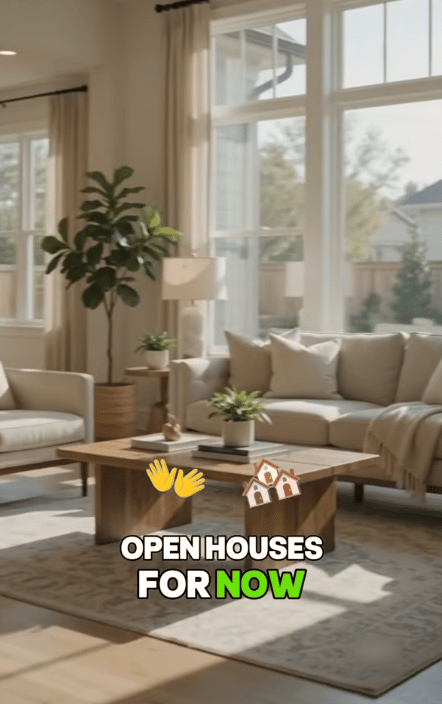
"We'll just go to open houses for now."
And honestly, open houses are a great place to start.
But here's something many buyers don't realize: a lot of the homes you'll want to see won't have an open house at all.
That's where private showings with your own agent can make a big difference.
As you tour homes with an agent, you'll continue learning about the buying process.
An experienced agent will ask the right questions to help you narrow your search and avoid common mistakes.
You'll have access to every home that fits your criteria—not just the ones holding open houses—and you can schedule showings around your availability instead of the seller's.
By the time you find the right home, you'll have a much better understanding of the market and be ready to act with confidence.
So yes—go to open houses.
Don't let them become your entire home search strategy.
If you're thinking about buying a home in the Twin Cities, we'd be happy to help you get started whenever you're ready.

Sometimes we see homes come off the market without selling, and if that happened to you, it can be frustrating and confusing.
The first question is usually, "Why didn't it sell?" Then comes Google, ChatGPT, and suddenly you're down a rabbit hole.
Here's the reality: your home not selling doesn't automatically mean there's something wrong with it.
In today's Twin Cities market, it usually comes down to three things: price, presentation, and marketing.
If the price doesn't match what buyers see as fair value, many won't even make an offer. If the home isn't presented with great photos, staging, and curb appeal, buyers may never schedule a showing. And if those first two pieces aren't right, even great marketing has an uphill battle.
The good news? Most homes can be repositioned and sold with the right strategy.
If your home didn't sell in the Twin Cities or western suburbs, I'd love to help you figure out what happened and put together a plan for a successful relaunch. Reach out anytime!
Buyer's often decide if the like a home before walking inside - WHY? - CURB APPEAL!
Curb appeal is the first impression your home makes before buyers ever step inside.
In fact, many buyers start forming opinions within the first 8 seconds of arriving at a property.
No pressure, right?
Curb appeal includes things like landscaping, the front door, paint condition, lighting, sidewalks, and overall maintenance.
Because if buyers pull up and immediately think, "Wow, this looks great," they're already in a positive mindset before they see the kitchen.
But if the grass is knee-high, the shutters are falling off, and the mailbox appears to have survived three hurricanes, buyers start looking for problems.
The good news?
Many curb appeal improvements are relatively inexpensive and can have a big impact.
Sometimes a few hours of work outside can help create a much stronger first impression.
If you have any questions about buying or selling in the Twin Cities, please reach out.
Want one of the cheapest ways to make your home more appealing to buyers?
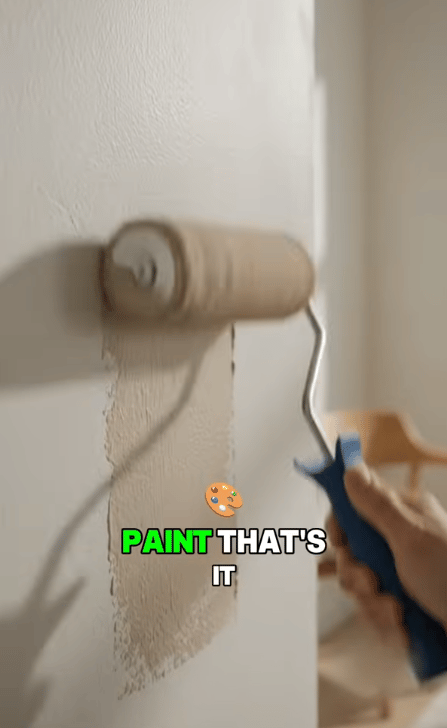
Paint. That's it.
You may love the bright red dining room, the dark green office, or the purple accent wall you spent all weekend perfecting.
Buyers? Not always.
Fresh, neutral paint helps buyers focus on the house instead of your color choices.
It makes rooms feel brighter, cleaner, and move-in ready—without spending thousands on renovations.
A few gallons of paint can often deliver a much bigger return than many expensive upgrades.
Before you list your home, grab a paintbrush—or ask us for painter referrals.
Buyers should be imagining where their couch goes, not calculating how many coats it'll take to cover that lime green wall.
If you are looking to buy or sell in the Twin Cities, we are here to help.
One of the most common items I see on home inspection reports here in the Twin Cities is missing or outdated GFCI outlets.
And before you panic—this is usually not a big deal.
GFCI outlets are safety devices designed to shut off power if they detect a potential shock hazard. They're commonly found near water in bathrooms, kitchens, garages, laundry rooms, and outside.
Because many Twin Cities homes were built before current electrical standards, it's very common for inspectors to recommend adding or updating them.
In most cases, this is a relatively inexpensive safety improvement—not a major defect.
It's a great reminder that not everything on an inspection report is a deal breaker.
A missing GFCI outlet is a lot different than a failing roof, foundation issue, or water problem.
That's why understanding what actually matters is so important during the inspection process.
Thinking about buying or selling in the Twin Cities - we are here to answer your questions.
Want to know one of the cheapest ways to increase buyer interest in your home?
Clean it!
And I don't mean the "my in-laws are stopping by in 20 minutes" kind of clean.
I mean windows, baseboards, light fixtures, countertops, and those corners that haven't seen a vacuum since the Vikings were in the playoffs.
Buyers notice everything and a spotless home feels cared for.
A dirty home makes buyers wonder what else hasn't been maintained.
And here's the crazy part: a clean house often feels newer, larger, and more valuable—even when nothing else has changed.
Before you spend thousands on updates, spend a little time deep cleaning.
It's really hard to overlook a layer of dust that's old enough to vote.
A clean house won't sell your home by itself—but a dirty one can definitely make it harder.
Thinking about buying or selling in the Twin Cities, please reach out!
One of the things we hear all the time is:
"We'll just look online for now."
And honestly, that's a great place to start. I encourage buyers to browse online listings, save their favorites, and get a feel for what's available.
But here's what we've learned after helping more than 100 families buy homes...
A house almost always feels different in person than it does online.
Sometimes the photos make a home look incredible, and you walk in only to realize the layout isn't what you expected. Other times, a home with average photos ends up being your favorite because it simply feels right the moment you step inside.
Online photos can show you what a house looks like. They can't show you how it lives.
So yes—start your search online.
But if you're thinking about buying in the next 3 to 9 months, don't rely on photos alone. Start touring homes early with an agent. Seeing homes in person will help you understand neighborhoods, pricing, layouts, and what really matters to you.
Some of the best homes my clients have purchased weren't the ones they thought they'd love based on the online photos.
If you're thinking about buying a home in the Twin Cities, I'd be happy to help you narrow your search and identify the homes that are truly worth seeing in person.
How much over asking price do you really need to offer on a house?
The answer might surprise you... sometimes it's zero dollars.
In today's Twin Cities market, not every home is getting multiple offers. If a home has been on the market for a few weeks, you may even be able to negotiate below asking price or ask the seller to help with your closing costs.
And here's something many buyers don't know: the strongest offer isn't always the highest offer. A solid pre-approval, a fully underwritten loan, flexible closing dates, fewer contingencies, or an appraisal gap strategy can make your offer much more appealing without raising your price.
The right strategy can save you thousands.
If you're thinking about buying in the Twin Cities, we'd love to help you put together the strongest offer possible. Reach out anytime!
One of the most common things buyers tell us is:
"We'll just go to open houses for now."
And honestly, open houses are a great place to start.
But here's something many buyers don't realize: a lot of the homes you'll want to see won't have an open house at all.
That's where private showings with your own agent can make a big difference.
As you tour homes with an agent, you'll continue learning about the buying process.
An experienced agent will ask the right questions to help you narrow your search and avoid common mistakes.
You'll have access to every home that fits your criteria—not just the ones holding open houses—and you can schedule showings around your availability instead of the seller's.
By the time you find the right home, you'll have a much better understanding of the market and be ready to act with confidence.
So yes—go to open houses.
Don't let them become your entire home search strategy.
If you're thinking about buying a home in the Twin Cities, we'd be happy to help you get started whenever you're ready.

Hi friends - Michael McGregor with Coldwell Banker Realty
Should you buy a home now... or wait for interest rates to come down?
It's probably the number one question I get from buyers here in the Twin Cities.
Here's the reality: if rates drop, that's great—but thousands of other buyers are waiting for the exact same thing.
Lower rates mean more buyers.
More buyers usually means more competition, more multiple offers, and often higher home prices.
The best time to buy isn't when you perfectly time the market.
The best time to buyer is when you're financially ready and find the right home for your needs.
If you're wondering what makes the most sense for your situation in the Twin Cities area, send me a message. I'm happy to work through any questions with you!
Why do real estate agents keep recommending "our" loan officers?
It's not because we're getting kickbacks. In fact, that's illegal.
The real reason is experience.
A good loan officer answers calls on weekends, communicates clearly, closes on time, and helps avoid surprises right before closing. When I work with people that I trust, I feel confident that the transaction will close.
Can you use any lender you want? Absolutely.
But when an agent recommends a loan officer, it's usually because we've worked with them before and know they'll help make the process smoother for everyone involved.
Thinking about buying or selling in the Twin Cities - we are here to answer your questions.
One of the biggest misconceptions I hear from Twin Cities sellers is that staging means replacing all of their furniture.
It doesn't.
Good staging is usually about editing, not replacing.
That might mean removing some furniture, rearranging a room, decluttering countertops, taking down personal photos, or adding a few simple accessories.
The goal isn't to make your home look like a furniture showroom.
The goal is to help buyers focus on the space itself.
In fact, many of the best-staged homes use mostly the seller's existing furniture.
A little rearranging can make rooms feel larger, brighter, and more inviting.
So, when I say I would like to bring my stager to your home, don't assume staging means renting a truck full of new furniture. Most of the time, it's about making the most of what you already have.
If you're thinking about buying or selling in the Twin Cities, we are happy to help
Hi friends, I'm Sadie McGregor with Coldwell Banker Realty.
Is a home inspection still worth it?
In my opinion... absolutely.
Today's Twin Cities market is more balanced, and home inspections are making a comeback.
A home inspection isn't about finding the perfect house—it's about understanding what you're buying.
A good inspector can identify issues with the roof, furnace, foundation, electrical, or plumbing before they become your problem. It can also give you the opportunity to negotiate repairs or seller credits before closing.
Skipping an inspection might save you a few days, but it could cost you thousands later.
If you're buying a home in the Twin Cities, make sure you know exactly what you're getting into. If you have questions, we're here to help!
Hi friends - Michael McGregor with Coldwell Banker Realty
Thinking about selling your home?
Here's one thing that doesn't get talked about enough—a short-term home warranty while your home is on the market.
If something like your furnace, air conditioner, or water heater is called out during the inspection or fails before closing, a home warranty may help cover some or all of your repair or replacement, depending on the policy.
That can save you from an unexpected expenses - and keep your sale on track.
Is a home warranty right for every home? - Not necessarily.
But for many sellers—especially with older mechanical systems—it can be an inexpensive way to reduce your risk before closing.
If you're thinking about buying or selling in the Twin Cities, we are here to help!
Hi friends, I'm Michael McGregor with Coldwell Banker Realty.
One of the biggest mistakes I see buyers make is waiting too long to start their home search.
Ideally, I like buyers to spend about 45 to 60 days learning the market before they're ready to write an offer. That gives you time to get familiar with neighborhoods, understand pricing, and recognize a great opportunity when it comes along.
If you went under contract on a home today, you would close typcically close in 45-60 days from now.
Then, your first mortgage payment would depend on your closing date.
So if you're hoping to move this fall, you should be pre-approved and searching now.
The buyers who plan ahead usually have more options, make better decisions, and feel less rushed.
If you're thinking about buying a home this fall in the Twin Cities, I'd be happy to help you put together a plan that fits your timeline.
From your first consultation to closing day, our team is committed to providing expert guidance, trusted resources, and exceptional service.